Introduction
You’ve likely heard that artificial intelligence is transforming marketing—but how does that translation actually happen in real-world terms? For a savvy professional, the real question isn’t whether AI matters, but precisely how is ai being used to improve conversion rates? By focusing on outcomes, we can cut through the buzz and understand how smart systems are nuduring decisions at scale.
Let’s start with tangible cases. Companies like Amazon report that up to 35% of their revenue comes from AI-powered product recommendations—suggestions tailored through algorithms that analyze purchase history and browsing habits. That kind of personalization isn’t guesswork; it’s consistent, data-driven tuning of offers to customer needs, boosting conversions in a measurable way Optiblack.
In e‑commerce, personalization extends beyond big names. For example, Sephora’s AI-powered virtual assistant and visual try-on tool help customers sample products virtually, leading to an 11% lift in conversions and a 30% jump in engagement Dragonfly AI. These enhancements reduce hesitation by letting users interact with products before buying, and that clarity directly supports decision-making.
Another powerful use case is AI-based lead scoring. Grammarly, for instance, implemented AI lead qualification via Salesforce Einstein, leading to an 80% increase in upgrades, a 30% rise in marketing-qualified lead conversions, and halving their sales cycle—as the system identified patterns that humans would struggle to spot SmartLead.ai.
These examples share a common thread: AI isn’t magic—it’s precision. Whether through smarter recommendations, real-time interactions like chatbots, or predictive scoring, AI helps deliver the right message at the right moment. That means conversions aren’t random; they’re a strategic result of better insight, faster response, and personalized relevance.
In the next sections, we’ll unpack methods like AI-driven A/B testing, dynamic content adaptation, and conversational interfaces. You’ll see where AI excels, where it demands careful setup, and how to align it with business goals to see real lift—not just hype.
AI-Enhanced A/B Testing and Real-Time Personalization
Picking up naturally from our previous discussion, it’s worth exploring how AI takes two staples of optimization—A/B testing and personalization—and elevates them with speed, precision, and adaptability.
Smarter, Faster A/B Testing
Traditional A/B testing can be slow and limited. It often tests one change at a time and waits for statistical significance—sometimes weeks or months. AI changes the game by running multiple variables simultaneously and shifting traffic toward winning versions in real time. Cosabella’s AI-driven redesign tested over 150 elements in just seven weeks, boosting conversions by 38%—a task that might have taken a year otherwise digitalhumans.com.
Live Personalization That Reacts Instantly
AI also enables dynamic personalization—tailoring user experience as visitors browse. Subminimal used AI-powered pop-ups that adapt in the moment based on user behavior, yielding a 10% lift in conversions growthapp.ai. This isn’t guesswork; it's about delivering the right message when it matters most.
Comparing Traditional Versus AI-Powered Methods
| Method | Traditional Approach | AI-Enhanced Approach |
|---|---|---|
| A/B Testing | Sequential testing, single variables, slow insights | Simultaneous multi-variable testing, real-time adaptation |
| Personalization | Static rules-based content, delayed updates | Dynamic content that adapts to behavior live |
| Time to Action | Weeks to implement and evaluate | Results within days or hours |
| Efficiency | Manual setup, limited scope | Automated testing and optimization at scale |
Why This Matters in Practical Terms
You’re not just speeding up testing—you’re responding to actual visitor behavior. AI lets you identify friction points and adjust instantly. With live personalization, you reduce manual overhead while delivering a tailored experience that nudges visitors toward conversion. This ties directly back to the bigger question, such as understanding how is AI being used to improve conversion rates? The answer lies in this agility—AI isn’t just a tool; it’s a real-time optimizer.
There are trade-offs, of course. AI systems need clean data, careful setup, and ongoing oversight to avoid overfitting or irrelevant variations. But when done well, the payoff is meaningful—measurable boosts in conversion that go beyond hopes or hunches, backed by data and driven by action.
How AI Elevates Conversion Rates Through Actionable Insights
In exploring how is ai being used to improve conversion rates?, it’s clear that the real advantage lies in insights that drive smarter decisions—not just shiny technology. AI analyzes user behavior in real time, identifying subtle patterns that humans often miss. For example, generative AI deployed across retail workflows led to conversion gains ranging from 0% to 16.3%, translating into tangible productivity benefits—especially for newer sellers and less experienced users. This large-scale randomized field experiment provides strong evidence that reducing friction with AI boosts conversions at scale (arXiv, 2025).
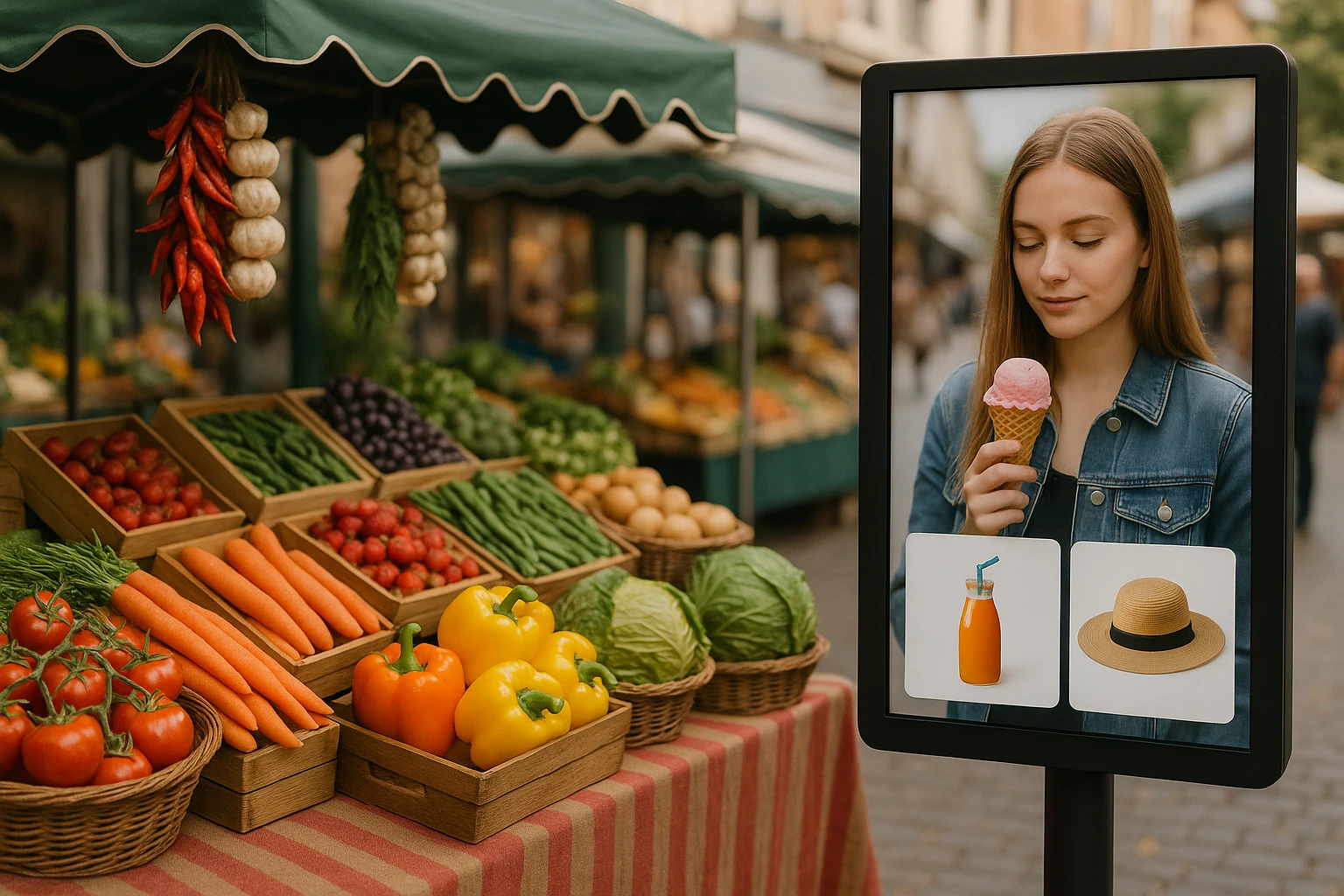
Personalization is another powerful lever. AI-powered recommendation engines can improve e-commerce conversion rates by 15–26%, and AI-driven upsell strategies contribute a 10–15% lift in average order value (Thunderbit, 2025). This isn’t conjecture—it reflects performance seen across diverse retailers. It works because tailoring offers to individual preferences aligns digital touchpoints with shopper intent.
Chatbots offer a more conversational route to conversions. Studies show that websites deploying AI chatbots see conversion increases of about 23%, along with faster issue resolution and higher success rates in answering queries (Glassix). Another report noted chatbot-assisted shoppers converting at 12.3%, compared to just 3.1% among those without assistance—more than a fourfold uplift (CXM, 2025). These tools reduce friction and support decisions exactly when shoppers hesitate.
Still, there are trade-offs. AI requires quality data and ongoing tuning. Misaligned personalization can feel intrusive. Chatbots must balance automation with empathy—an overly robotic bot can frustrate rather than convert. And while ROI can be compelling, the initial investment in AI tools and integration isn’t negligible.
In sum, AI delivers by turning raw data into insights and actions that matter. Whether through smarter product recommendations, predictive conversions, or conversational assistants, AI tends to lift conversion rates by mid- to high-teens or more—when thoughtfully deployed. The goal isn’t flash—it’s clarity, relevance, and timing. That’s why AI’s true value emerges not in automation, but in strategic alignment.
AI-Powered Personalization and Customer Experience
Personalization has become a central strategy in boosting conversion rates, especially as AI technology continues to evolve. When businesses ask, "how is AI being used to improve conversion rates?" the answer often lies in its ability to tailor customer experiences. By analyzing vast amounts of customer data, AI can create highly personalized marketing messages. These messages resonate on a personal level and can significantly influence consumer behavior.
An example of this is Netflix, which uses AI to recommend content based on a user's viewing history and preferences. Such personalization increases viewer engagement and retention. According to Netflix's data, their recommendation algorithm drives 80% of viewer activity. This model can be applied across various sectors, from e-commerce to travel, enhancing customer interaction and conversion.
Moreover, AI is crucial in delivering real-time personalization. When users browse a website, AI can instantly analyze their interactions, adjust content, and present tailored offers. This dynamic adaptation is informed by machine learning algorithms that predict what might drive a customer toward a purchase based on similar customer behaviors and historical data. Such proactive engagement can lower bounce rates and increase conversions by creating a seamless and rewarding experience for the user.
Furthermore, improvement in chatbots and virtual assistants is another area where AI excels. These AI-driven tools can interact with customers, answering queries, and offering purchase recommendations round the clock. For instance, a retailer's AI chatbot might suggest products based on the user's past purchases or browsing history. This provides immediate value to the user and supports more informed, timely purchasing decisions.
Additionally, businesses leveraging AI for A/B testing can optimize site layouts and content rapidly. AI's ability to process and analyze test results ensures the most effective variations are implemented quickly, translating into higher conversion rates. By using platforms like Optimizely, businesses can continuously refine their web presence based on AI-driven insights, increasing both user satisfaction and sales outcomes.
The integration of AI technologies into personalization strategies not only enhances customer satisfaction but directly influences purchasing decisions. This strategic deployment of AI creates a more interconnected and tailored consumer journey, demonstrating the tangible benefits of AI in improving conversion rates. As companies continue to explore these technologies, the possibilities for creating unique and efficient customer interactions only expand, offering exciting opportunities for growth and innovation.
Conclusion: Making AI Work Smarter for Conversions
We’ve seen how AI becomes a practical ally — not a flashy buzzword — in improving conversion outcomes. From personalized pop‑ups that boosted revenue by 45.7% for an online retailer and optimized product pages that lifted orders by 31.6% optimonk.com, to automated, AI‑driven landing pages that pushed trial conversions from 2.1% to 8.7%, a +314% jump webthos.ai, it’s clear that measurable, replicable improvements are happening now.
When companies ask how is ai being used to improve conversion rates?, the answer is grounded in real-world wins. Chatbots that proactively engage, like those leading to 18% increases in Shopify store conversions reddit.com, or lead‑scoring engines that help Grammarly increase paid plan upgrades by 80% and halve their sales cycle smartlead.ai, show AI in action. These examples offer clear, actionable insight for peers: apply AI where decision‑making and timing matter most.
Here’s what you can apply today:
- Use AI‑powered personalization to deliver content or pop‑ups tuned to user behavior and context.
- Implement lead‑scoring models to prioritize high‑intent prospects and reduce wasted effort.
- Deploy AI chat tools to engage users proactively, address friction points, and capture conversions in real time.
- Automate testing — let AI run and learn from variations continuously, rather than relying on slow, manual A/B cycles.
Each tactic has trade‑offs. AI needs good data, thoughtful monitoring, and a willingness to retrain or tweak as your traffic or products evolve. But the payoff — faster experiments, smarter targeting, and scalable personalization — is worth it.
If you're managing performance or optimization strategies, start small. Pick one area with evident friction—perhaps form fill‑rate, chatbot engagement, or ad extensions—and apply a narrowly scoped AI tool. Track lift, learn, and iterate. You’ll gain both confidence and evidence before expanding.
In short: intelligent, measurement‑driven AI isn’t about hype. It’s about solving real obstacles and unlocking more conversions with precision. Ready to test smarter optimization? Begin with one tactic, analyze the impact, and build from there.
Call to Action: Choose one high‑friction conversion point in your funnel. Pilot an AI‑powered solution—like lead scoring or chatbot engagement—and measure the uplift. Use evidence to drive your next optimization move.
Share this article
You might also like
Continue exploring our latest insights

A/B Testing Uplift: How 23 Winning Tests Boosted Conversions by 37%
Across 119 A/B tests, the median conversion rate lift for a winning variant was 37%. This figure comes from a dataset of 23 declared winners, showing the tangible impact of structured testing.
The Complete Guide to CRO Tools: Boosting Your Conversion Rate
Discover the best CRO tools to enhance your website's conversion rate. This guide dives into effective strategies and practical tools to boost performance without any fluff. Learn how to choose and implement tools for optimal results.
Mastering Conversion Rate Optimization: A Comprehensive Guide (1772859194979)
Explore the essentials of Conversion Rate Optimization (CRO) with Everconvert.ai. Discover practical strategies to improve user experience and increase conversions. This guide offers clear insights and proven methods to optimize your website effectively.