
Introduction
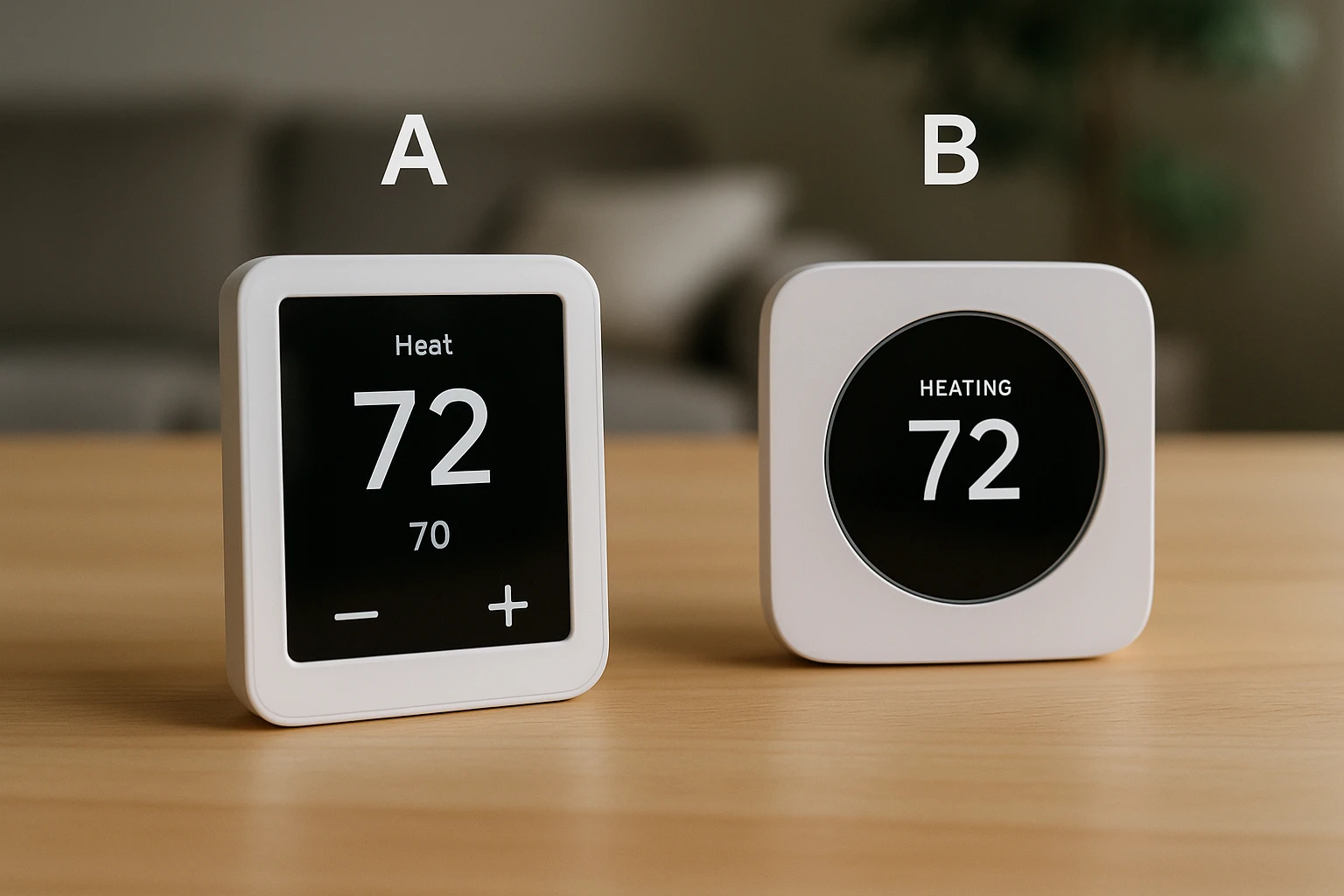
Imagine launching two versions of a webpage—one dubbed “A” and the other “B”—and having the system quietly figure out which one truly drives better results, all without manual juggling. That’s the power behind automated A/B testing. It’s like giving your website a smart co-pilot that constantly experiments, learns, and refines. The real appeal isn’t flashy—it’s practical: making small, data-driven improvements without demanding your full attention.
At its core, automated A/B testing simplifies the traditional split testing setup. You define what you want to compare—perhaps a headline, button color, or layout—and the tool automatically divides your audience, tracks performance, and tells you which variation wins with statistical reliability. It handles the random assignment of users, gathers user interactions in real time, runs significance calculations, and flags a winner when the data supports it functionize.com.
This approach streamlines experimentation and frees up your brainspace. Instead of manually segmenting users and wrestling with spreadsheets, you monitor insights and interpret impact. Automation also opens doors to running multiple tests concurrently—so you might validate a new call-to-action across your homepage while simultaneously testing a pricing layout in the checkout flow functionize.com.
Consider a marketer at an e‑commerce brand. The team sets up two product pages: one with a bold “Buy Now” button and another with a subtler “Add to Cart.” The automated system splits traffic evenly, captures click-through and purchase rates, and when one version yields a clear winner, it alerts the team. They deploy the better variant immediately, cutting weeks of manual analysis to minutes of automated insight.
That’s how asking how does automated A/B testing work? translates into everyday optimization. You lean on a system that manages the heavy lifting—sampling, tracking, statistical checks—so you can focus on strategy: choosing which elements to test next, and thinking through the why, not the how. In the following sections, we’ll walk through the mechanics, benefits, limitations, and best practices, giving you a clear playbook for smarter experimentation.
The Mechanics of Automated A/B Testing
Understanding the inner workings of automated A/B testing can demystify the process and make it more accessible. At its core, automated A/B testing revolves around the systematic comparison of two or more variants of a webpage, email, or application to identify which one performs better. This is achieved through software platforms designed to manage the entire testing lifecycle, from planning and execution to analysis and iteration.
When delving into how automated A/B testing operates, consider the importance of randomization and segmentation. The system randomly assigns users to different groups, ensuring a representative sample for each variant. This randomness reduces bias and provides a clearer picture of which version truly performs better. Segmentation is crucial because it allows marketers and developers to understand how different demographics react to variations, enabling more targeted and effective optimizations.
An everyday application of automated A/B testing is in email marketing. For instance, a company might want to test two subject lines. The automated system would distribute each version to a subset of the email list. Performance metrics, such as open rates and click-through rates, are tracked automatically. The system not only captures these data points but also performs statistical analysis to determine whether observed differences are statistically significant. According to Optimizely, this ensures that decisions are based on solid evidence rather than chance.
| Component | Role in Automated A/B Testing |
|---|---|
| Random Assignment | Reduces bias by distributing participants evenly across variants. |
| Segmentation | Enables analysis of how different user groups respond to changes. |
| Automated Analysis | Uses statistical tests to ensure results are statistically significant. |
Powerful software tools make automated A/B testing more accessible to businesses without dedicated data scientists. For instance, platforms like Google's Optimize integrate seamlessly with web analytics to provide intuitive dashboards and insights. These systems handle much of the complexity, allowing teams to rapidly iterate on campaigns. As a result, teams can focus more on creative strategies and less on technical logistics, streamlining the path to optimized user experiences.
By simplifying complex statistical processes, automated A/B testing systems empower teams to test more frequently and confidently. This continuous cycle of testing and optimizing ensures that companies can adapt swiftly to changing user preferences, staying ahead in competitive markets. Whether you're improving a website’s conversion rate or enhancing an app’s user interface, understanding the mechanics of how automated A/B testing works is essential to harness its full potential.

The Mechanics of Automated A/B Testing
Grasping how automated A/B testing works means understanding the underlying mechanics that drive it. This form of testing leverages software to continuously assess and compare different versions of a webpage, app, or other digital product. By automating the process, businesses can swiftly respond to user behavior without constant manual intervention. The automation function relies on algorithms and predefined rules that decide which version to present to users and how to evaluate their interactions.
Dynamic Content Delivery
One of the crucial features of automated A/B testing is its ability to deliver dynamic content to users. As users engage with a site or application, the testing software presents different versions based on the existing test design. This is achieved through server-side scripting or client-side testing tools, like JavaScript, ensuring the most relevant variant is shown to the appropriate audience segment in real-time. For instance, e-commerce platforms can use automated A/B testing to dynamically shift between different product presentations to see which layout converts more sales.
Data Collection and Analysis
The value of automated A/B testing becomes evident in its data collection and analysis capabilities. Once users interact with different versions, the system collects data on specific metrics like click-through rates, conversion rates, bounce rates, and time spent on a page. This data is then automatically analyzed using statistical methods to determine which version of the test yields superior results. By employing automation, the insights gathered are not only faster but also less prone to human error, allowing companies to make more data-driven decisions confidently.
Case Study: Optimization in Real-time
Consider a large-scale online retailer that implemented automated A/B testing to improve their checkout process. By testing multiple versions of their checkout interface simultaneously, they identified a design that reduced cart abandonment by 30%. This was achieved without additional strain on their development team, demonstrating the powerful effect of automation in A/B testing. According to Forbes, such testing approaches are becoming an integral part of digital marketing and eCommerce strategies.
The rapid iteration in automated A/B testing fosters a culture of continuous improvement. By consistently applying these techniques, businesses can ensure they’re aligned with user preferences and market demands, ultimately driving enhanced user satisfaction and increased conversions. Automated A/B testing is not just about finding what works; it's about evolving with precision and adaptability in a competitive landscape.
Implementing Automated A/B Testing
Before diving into the intricacies of how automated A/B testing works, it's useful to understand the basic setup. The first step is defining clear objectives. What do you want to achieve with your A/B test? This could range from improving click-through rates to increasing average order value. Once objectives are set, variations of your webpage or app are created. These variations are randomly shown to users to gather data on performance.
Automation comes into play through sophisticated algorithms that handle the distribution of traffic and collection of data. By utilizing machine learning, these systems can dynamically allocate more visitors to better-performing versions in real-time, ensuring that the experiment is efficient. For example, tools like Google Optimize use advanced statistical models to make real-time decisions, optimizing the experience for the majority of users quickly.
Data Collection and Analysis
Data gathering is central to understanding how automated A/B testing works. The automated systems meticulously track user interactions, such as clicks, time spent on pages, and conversion rates. This data is collected with precision and aggregated for analysis. By using analytics dashboards, teams can dissect this data to uncover patterns and insights. Tools like Optimizely offer visual reports, making it straightforward to interpret complex data. These insights inform strategic decisions, highlighting the elements that genuinely enhance user experience.
A critical advantage of automation is the speed and accuracy of data analysis. Traditional methods might take days or weeks to process, but automated tools can provide insights almost instantaneously. This allows companies to adapt quickly to user behavior, staying ahead in competitive landscapes. According to Forrester's report, organizations utilizing automated A/B testing experience a substantial increase in ROI, showcasing its value.
Iterative Improvements
The nature of automated A/B testing supports continuous iteration. After analyzing the results, businesses can swiftly implement changes based on evidence rather than intuition. This leads to a cycle of ongoing enhancement, where successful strategies are retained, and less effective ones are discarded. This iterative approach was spotlighted in a Case Study by ConversionXL, highlighting how companies have achieved significant performance boosts by continuously refining their testing strategies.
In summary, automated A/B testing facilitates a data-driven culture, enabling businesses to adapt and thrive. By leveraging technology for rapid experimentation and analysis, companies can focus on user satisfaction and strategic growth. The real power lies in its ability to provide actionable insights quickly, guiding organizations toward refined, optimal user experiences.
Conclusion: Unlocking the Potential of Automated A/B Testing
As we conclude our exploration of how automated A/B testing works, it's clear that this method offers a strategic advantage for businesses looking to optimize their digital experiences. Automated A/B testing allows for faster, more accurate insights, reducing the manual workload and enabling teams to make data-driven decisions efficiently. By automating the process, businesses can continuously test variations and identify the best-performing versions without the constant need for human intervention.
One of the key takeaways is the importance of setting clear objectives and using relevant metrics to assess outcomes. For example, a company focusing on improving user engagement should prioritize metrics like click-through rates and user session duration. Aligning tests with business goals ensures that the insights gained are both actionable and relevant, empowering decision-makers to steer their strategies effectively.
Another essential insight is the value of integrating automated A/B testing with other analytics tools. This integration augments the depth of understanding, providing a comprehensive view of user interactions and performance metrics. For instance, combining A/B testing data with customer journey mapping can reveal crucial insights into user behavior and preferences, enhancing the overall customer experience.
Looking ahead, embracing automated A/B testing can foster a culture of continuous improvement within an organization. Encouraging experimentation nurtures innovation and allows teams to adapt quickly to changing market conditions. As technology evolves, staying on the cutting edge through automated testing is not just beneficial—it’s imperative for maintaining competitive advantage.
Are you ready to take your optimization efforts to the next level? Start by implementing automated A/B testing tools that align with your business needs and integrate seamlessly with your existing platforms. Experiment, analyze, and refine; it's a cycle that promises growth and customer satisfaction. For more insights on improving your digital strategies through A/B testing, consider exploring resources that delve deeper into best practices and advanced techniques.
Embrace the potential of automated A/B testing today, and transform the way you optimize your digital presence. By maximizing efficiency and leveraging data, you're setting the stage for success in an increasingly data-driven world.
Share this article
You might also like
Continue exploring our latest insights

A/B Testing Uplift: How 23 Winning Tests Boosted Conversions by 37%
Across 119 A/B tests, the median conversion rate lift for a winning variant was 37%. This figure comes from a dataset of 23 declared winners, showing the tangible impact of structured testing.
The Complete Guide to CRO Tools: Boosting Your Conversion Rate
Discover the best CRO tools to enhance your website's conversion rate. This guide dives into effective strategies and practical tools to boost performance without any fluff. Learn how to choose and implement tools for optimal results.
Mastering Conversion Rate Optimization: A Comprehensive Guide (1772859194979)
Explore the essentials of Conversion Rate Optimization (CRO) with Everconvert.ai. Discover practical strategies to improve user experience and increase conversions. This guide offers clear insights and proven methods to optimize your website effectively.