
Introduction: Enhancing the Checkout Experience
The digital era has revolutionized the way we purchase products. In a world where convenience is king, streamlining the checkout process for digital products is not just an option, but a necessity. Imagine shopping online and encountering a complicated checkout process, with unnecessary steps and barriers. It's likely you would abandon your cart, right? This is the reality many online businesses face and optimizing the checkout process is the key to converting browsing into buying.
Being a step ahead in this competitive landscape means understanding how to optimize checkout for digital products effectively. It’s about making the purchasing journey seamless, ensuring that the transition from selection to payment is as smooth as possible. A well-optimized checkout is like a gentle slope, guiding users effortlessly towards completing their transaction without frustration. Studies have shown that businesses with streamlined checkouts see increased conversion rates, lower cart abandonment, and improved customer satisfaction.
For instance, Mastering Kameleoon provides insights into tools that can enhance user experience and optimization strategies for digital platforms. By applying these principles, digital product vendors can create an engaging and user-friendly checkout experience that reduces friction and encourages purchase completion.
Effective checkout optimization addresses several key areas: design simplicity, mobile responsiveness, security, and the inclusion of multiple payment options. Each of these elements contributes to a frictionless experience. For example, simplifying forms by minimizing required fields and offering a guest checkout option can significantly reduce barriers for users who prefer quick transactions. Additionally, ensuring the checkout process is mobile-friendly is crucial, as more users shop on their smartphones and tablets every day.
Security also plays a pivotal role. A secure checkout process builds trust and reassures customers their payment information is safe. Integrating widely recognized security badges and SSL certificates is a proactive way of boosting confidence. Lastly, offering diverse payment methods caters to different customer preferences, enabling more users to find a payment option that suits them best.
Ultimately, the aim is to create a checkout process that is not only easy to navigate but also fosters trust and reliability. By focusing on the user experience, businesses can turn this often-overlooked aspect into a strategic advantage, transforming casual interest into firm commitment. With customers increasingly valuing convenience and efficiency, optimizing the checkout process is no longer just a luxury—it's a strategic imperative.
User Experience and Interface Design
One of the most significant aspects of how to optimize checkout for digital products is the user interface (UI) design. A clean, intuitive UI decreases friction and encourages customers to complete their purchases. Begin by simplifying the form fields. Removal of unnecessary questions can drastically reduce cart abandonment. Use progress indicators that show users how many steps are left in the process. This instills confidence and transparency, reducing perceived complexity.
Security and Trust Elements
Security is paramount when optimizing digital checkouts. Consumers need assurance that their transactions are safe. Incorporate trust badges prominently during the checkout process. Display seals from recognized cybersecurity companies and use comprehensive SSL certificates to encrypt transactions. Furthermore, adding clear visibility of refund policies and customer support contact information builds trust, as users know they have recourse if issues arise.
Seamless Multi-Device Experience
Ensuring a seamless, multi-device experience is essential. With customers using various devices, from smartphones to desktops, a responsive design that automatically adjusts to different screen sizes is critical. One study shows that 70% of mobile users abandon purchases due to difficulty in navigating checkout on smaller screens (Baymard Institute).
Table: Comparison of Checkout Usability Features
| Feature | Impact on UX | Ease of Implementation |
|---|---|---|
| Simplified Form Fields | High | Medium |
| Progress Indicators | Medium | Low |
| Trust Badges | High | Low |
| Multi-Device Compatibility | High | High |
For more on optimizing digital experiences, the Kameleoon Review provides insights on enhancing conversion strategies. Understanding the customer's journey and catering to their preferences with these strategies will help businesses optimize their checkout processes efficiently.

Streamlining the Payment Process
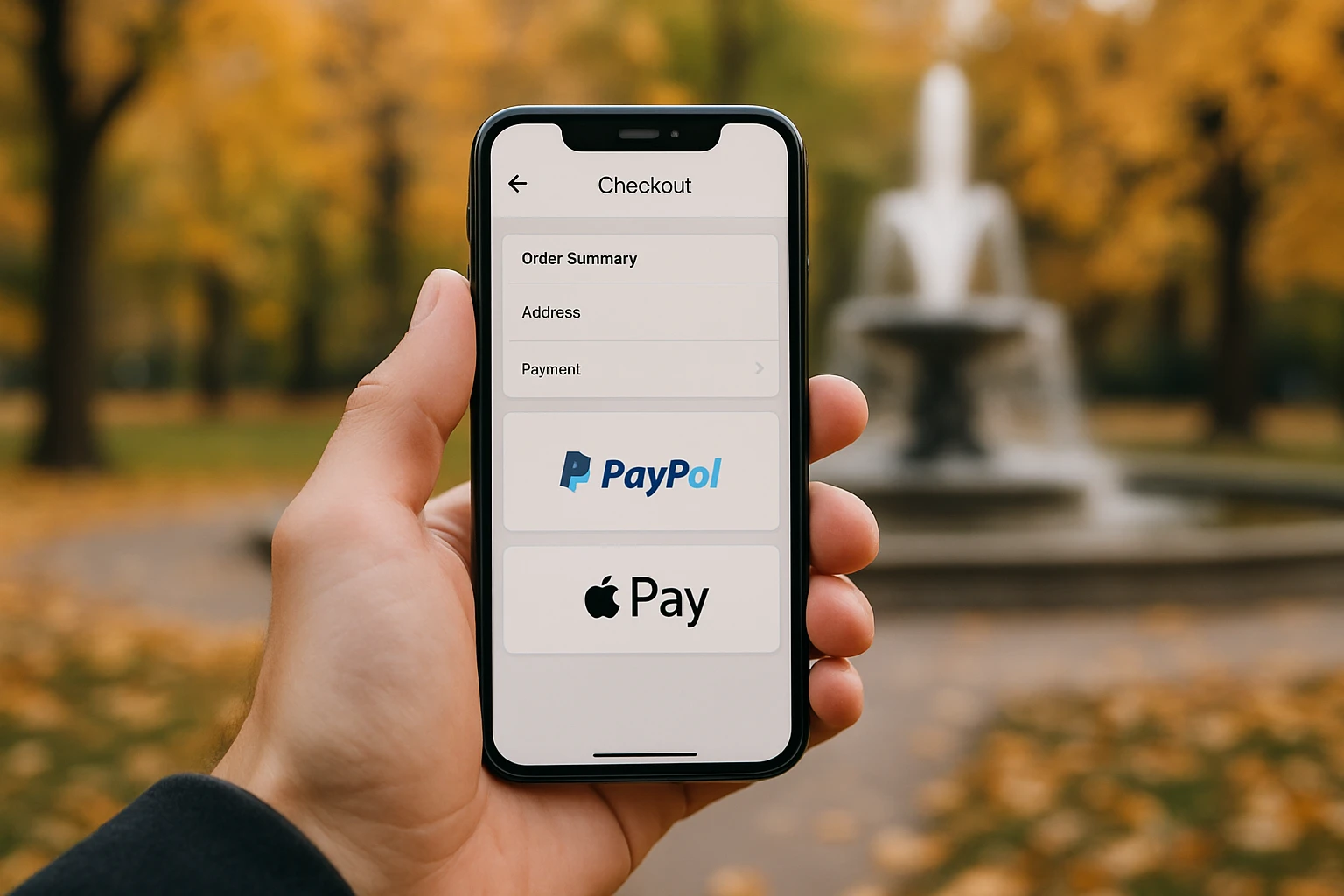
Optimizing the checkout experience for digital products demands a focus on the efficiency of the payment process. A streamlined payment process is crucial for minimizing cart abandonment and ensuring that customers have a positive experience. To achieve this, businesses should adopt payment methods that prioritize speed and security. By integrating popular options like PayPal or Apple Pay, you allow customers to complete their transactions swiftly with minimal friction.
Research indicates that simplifying the number of steps in the checkout process can significantly impact conversion rates. Eliminating unnecessary form fields and enabling auto-fill options can greatly enhance user experience. For instance, instead of requiring users to enter their billing and shipping addresses separately, rely on modern technologies that support data retrieval from a single entry. Behavioral analysis conducted by various e-commerce platforms shows that each additional field can reduce conversion by up to 1% per field entered (Smashing Magazine).
Security also remains a top priority, as trust is foundational to successful online transactions. Implementing SSL certificates ensures that sensitive information is encrypted. Customers are more likely to complete a purchase if they feel their data is protected. A structured approach to security can be bolstered by platforms such as Everconvert.ai, which offers robust tools for enhancing digital security and optimizing sales processes.
The importance of mobile optimization cannot be overstated. As mobile commerce continues to rise, ensuring that payment gateways are fully responsive and optimized for smaller screens is essential. A study revealed that over 60% of consumers abandon purchases due to a poor mobile checkout experience (Baymard Institute). Adopting a mobile-first approach can help capture potential sales that might otherwise be lost.
In conclusion, by prioritizing simplicity, security, and mobile optimization, businesses can significantly improve their checkout processes. By understanding how to optimize checkout for digital products, not only can businesses enhance user satisfaction, but they can also achieve a higher conversion rate, ultimately leading to increased revenue and growth.
Streamlined Checkout Flow and Intelligent Layout
To truly refine how to optimize checkout for digital products, consider simplifying the workflow. Reducing checkout steps and form fields improves usability and conversion. Baymard Institute’s research indicates that shops with lengthy or complex checkout flows lose 23% of potential buyers—and many sites show more than twice as many form fields as necessary. Streamlining to 7–8 essentials (instead of 15–24) can yield noticeable gains in completion rates Baymard Institute findings.
One strong example comes from a B2B case study: removing distractions like the top navigation menu and simplifying steps resulted in a 72% conversion rate lift and a 38% jump in transactions, demonstrating the power of a focused checkout experience Marcel Digital case study.
Why It Matters
Digital products often rely on impulse decisions. A concise, distraction-free layout keeps users moving toward the “Buy Now” finish line. Less visual clutter and fewer clicks equal fewer chances for hesitation or second thoughts—meaning higher completion rates and smoother revenue flows.
Embrace Autofill, Guest Options, and Wallets
Minimizing friction is about letting users buy, not forcing them to register. Guest checkout bypasses the added friction of account creation, which is cited by nearly a quarter of shoppers as a deal-breaker Digital Applied report. Allowing autofill and integrating one-click payment methods like Apple Pay, Google Pay, or PayPal simplifies the process. Supporting digital wallets can reduce abandonment rates by 20–35% before any recovery efforts even begin source.
Practical Example
As one store owner found, adding guest checkout and stripping optional newsletter prompts boosted conversions immediately—and integrating Apple Pay or Google Pay accounted for 15% of transaction volume, contributing to smoother completions WooCommerce case.
Visual Confirmation and Trust Builders
People buying digital items value clarity. Showing an image of the product during checkout reassures the buyer they have the right item. Visual cues work faster than text-based reassurance, linking purchase intent with recognition FunnelKit guidance.
Clear trust signals—like security badges or an SSL icon—and a summary of total costs upfront reduce uncertainty. Surprises at checkout, such as hidden fees, cause 48% of all abandonments source. Transparency builds confidence, especially when no shipping fees apply and delivery is immediate.
Real-World Application
Consider a platform selling downloadable guides. Showing the cover image, listing the price clearly, and offering wallet payments alongside reassurance (“Secure purchase, instant access”) connects the decision to value and builds that critical final trust.
Summary
By pairing a cleaner checkout layout with guest access, autofill, and digital wallets, you reduce barriers that often derail buyers of digital goods. Adding visual context and upfront cost transparency addresses hesitation and builds confidence. These adjustments, though small individually, work together to create a checkout that feels logical, frictionless, and trustworthy.
Conclusion: Key Takeaways and Next Steps
By now, you should have a solid understanding of how to optimize checkout for digital products effectively. The strategies discussed, from simplifying the checkout process to offering diverse payment options, are crucial in reducing cart abandonment and boosting conversions. As businesses, it’s vital to create a seamless, user-friendly experience that alleviates any friction your customers might encounter.
An actionable insight is to rigorously test your checkout process. Use A/B testing to determine which elements of your checkout page might cause friction. For example, test the impact of guest checkout availability or the positioning of trust symbols. According to Baymard Institute’s research, simplifying forms and reducing unnecessary fields can lead to a significant decrease in cart abandonment rates. Insights like these can be transformative.
Consider integrating a robust analytics tool to track user behavior throughout the checkout process. This data can be invaluable for identifying pain points and opportunities for improvement. By closely monitoring these metrics, you can make data-driven decisions that enhance customer satisfaction and drive sales.
It's also essential to keep customer communication clear and reassuring. Proactively address common concerns, such as payment security, delivery timelines, and refund policies. This transparency builds trust and confidence in your brand, encouraging customers to complete their purchases without hesitation.
To further refine these strategies, consider leveraging advanced AI-driven solutions. Platforms like Everconvert.ai offer innovative tools to enhance your digital checkout process. Their technology can provide personalized experiences and optimize each step of the customer journey, ensuring that users find exactly what they need quickly and efficiently.
In summary, mastering how to optimize checkout for digital products requires attention to detail, constant testing, and a commitment to the customer's needs. By implementing these strategies, you can not only improve your conversion rates but also enhance overall customer satisfaction, laying the groundwork for continued success and growth.
Share this article
You might also like
Continue exploring our latest insights

A/B Testing Uplift: How 23 Winning Tests Boosted Conversions by 37%
Across 119 A/B tests, the median conversion rate lift for a winning variant was 37%. This figure comes from a dataset of 23 declared winners, showing the tangible impact of structured testing.
The Complete Guide to CRO Tools: Boosting Your Conversion Rate
Discover the best CRO tools to enhance your website's conversion rate. This guide dives into effective strategies and practical tools to boost performance without any fluff. Learn how to choose and implement tools for optimal results.
Mastering Conversion Rate Optimization: A Comprehensive Guide (1772859194979)
Explore the essentials of Conversion Rate Optimization (CRO) with Everconvert.ai. Discover practical strategies to improve user experience and increase conversions. This guide offers clear insights and proven methods to optimize your website effectively.